

Slowest Century in ODI
One-Day International cricket is frequently related to competitive batting, brief scoring prices, and explosive centuries. Modern ODI cricket has witnessed batters accomplishing masses in less than 50 balls, making the format increasingly attractive for enthusiasts. However, not each century in ODI cricket has been scored at lightning pace. Throughout the records of the sport, numerous batsmen have completed extremely patient innings, taking a massive variety of deliveries to reap the 3-decide mark.
The slowest century in ODI history stays one of the most unusual data in cricket. While rapid centuries are celebrated for their attacking nature, slow centuries often spotlight the difficult situations, robust bowling attacks, hard pitches, or in shape conditions that required staying power and determination.
Table of Contents
In this article, we explore the slowest century in ODI cricket, the gamers involved, the motives behind such innings, and a listing of some of the slowest ODI centuries ever recorded.
What Is the Slowest Century in ODI History?
The file for the slowest century in ODI cricket belongs to Ramnaresh Sarwan of the West Indies, who took 166 balls to achieve his century towards India in 2007.
Sarwan’s innings became done below tough batting conditions where scoring runs grow to be now not easy. Rather than attacking recklessly, he centered on staying on the crease and building a tremendous score for his team.
Slowest ODI Century Record
| Player | Team | Opponent | Year | Balls to 100 |
|---|---|---|---|---|
| Ramnaresh Sarwan | West Indies | India | 2007 | 166 |
This century remains the slowest hundred ever scored in ODI cricket based mostly on balls faced.
Ramnaresh Sarwan’s Historic Innings
Ramnaresh Sarwan changed into known for his technical batting and ability to anchor an innings. Against India in 2007, he produced an innings that required extremely good persistence.
The pitch offered help to bowlers, obstacles had been tough to find out, and wickets were falling at regular durations. Under these instances, Sarwan prioritized survival and accumulation in place of competitive stroke play.
Although the innings became gradual in comparison to trendy ODI requirements, it confirmed the importance of adaptability in cricket. His century helped stabilize the West Indies innings and showcased the price of dedication in difficult situations.
Top Slowest ODI Centuries in History
Several batsmen have scored centuries at an notably slow tempo. Here are a number of the slowest ODI hundreds ever recorded.
| Rank | Player | Team | Opponent | Balls for Century |
| 1 | Ramnaresh Sarwan | West Indies | India | 166 |
| 2 | Geoff Marsh | Australia | New Zealand | 156 |
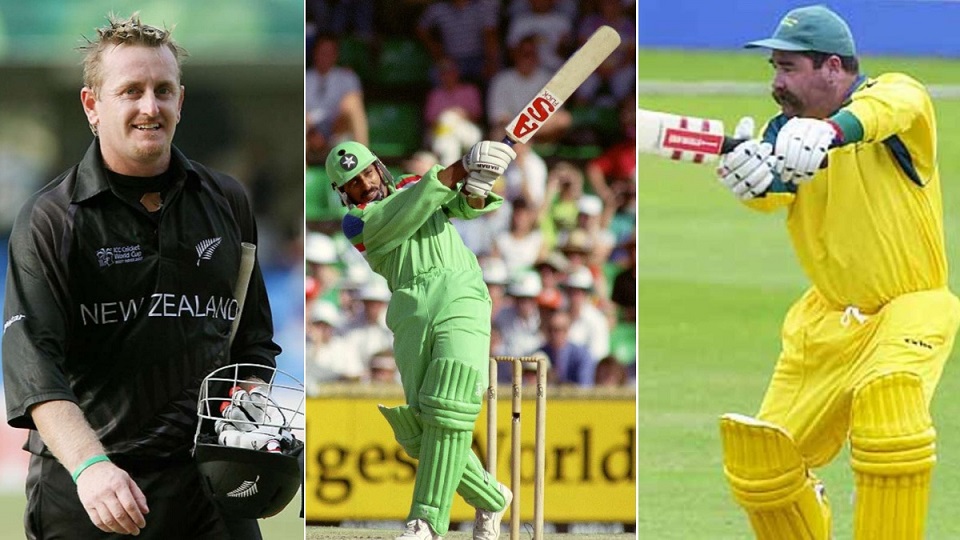
| 3 | David Boon | Australia | England | 154 |
| 4 | Scott Styris | New Zealand | India | 152 |
| 5 | Upul Tharanga | Sri Lanka | Pakistan | 151 |
These innings have been products of specific in shape situations in desire to a lack of batting ability. Many of these gamers have been able to scoring short at the same time as situations allowed.
Why Do Slow Centuries Happen in ODI Cricket?
Modern cricket lovers frequently marvel how a batsman can take more than 100 fifty deliveries to gain a century in a layout constrained to a few hundred balls in keeping with group. Several factors make contributions to slow centuries.
Difficult Pitch Conditions
Some pitches heavily pick bowlers. On such surfaces, timing the ball turns into hard, forcing batsmen to popularity on survival.
Strong Bowling Attacks
Facing global-elegance bowlers can extensively slow scoring quotes. Fast bowlers producing motion or spinners exploiting turn can limit run scoring possibilities.
Match Situation
When wickets fall quick, a batsman may additionally choose to play carefully to save you a disintegrate.
Team Strategy
Certain ODI fits require one batsman to anchor the innings at the same time as others play aggressively round him.
Weather and Outfield Conditions
Slow outfields and overcast weather can lessen boundary possibilities, main to slower scoring charges.
How ODI Batting Has Changed Over Time
The nature of ODI batting has superior dramatically over the decades.
ODI Cricket in the 1970s and Eighties
During the early years of ODI cricket, batsmen regularly focused on keeping wickets. Teams regularly scored among one hundred eighty and 230 runs.
Boundaries were massive, bats were less effective, and aggressive batting was plenty much less not unusual.
ODI Cricket inside the 1990s
The introduction of fielding restrictions recommended attacking play. Opening batsmen started taking extra risks inside the early overs.
ODI Cricket within the 2000s
Players have become more healthy, bats progressed, and scoring charges extended. Teams regularly crossed 250 and 3 hundred-run totals.
Modern ODI Cricket
Today, organizations frequently rating above three hundred runs, and centuries may be scored in fewer than 80 balls. Power-hitting has become a major element of the format.
This evolution makes sluggish centuries even greater incredible because they reflect a completely particular fashion of ODI batting.
Fastest vs Slowest ODI Century
The assessment a number of the quickest and slowest ODI centuries is terrific.
| Record Type | Player | Balls |
| Fastest ODI Century | AB de Villiers | 31 |
| Slowest ODI Century | Ramnaresh Sarwan | 166 |
The distinction among 31 balls and 166 balls highlights how numerous ODI cricket can be.
Famous Slow Yet Valuable ODI Centuries
Not all gradual centuries are criticized. Many have played important roles in assisting groups win fits.
Geoff Marsh
The Australian opener became well-known for building innings patiently. His methodical method laid the inspiration for Australia’s achievement in the past due Nineteen Eighties and early 1990s.
David Boon
Known for his resilience, Boon frequently anchored the Australian batting lineup in difficult situations.
Scott Styris
The New Zealand all-rounder produced severa gritty innings at the same time as his institution wanted stability.
Upul Tharanga
Tharanga’s affected character century established how batsmen sometimes want to regulate their fashion regular with conditions.
Are Slow Centuries Still Possible Today?
Yes, however they’ll be more and more uncommon.
Modern ODI cricket encourages aggressive batting from the primary ball. Teams prioritize high run expenses, and gamers are skilled to score speedy.
However, slow centuries can though arise underneath high-quality instances inclusive of:
- Difficult pitches
- World Cup knockout suits
- Low-scoring contests
- Challenging climate situations
- Strong bowling attacks
Whenever conditions grow to be extremely tough, batsmen may also revert to a extra conventional technique.
Impact of Slow Centuries on Team Performance
A slow century may additionally have each nice and horrible results.
Advantages
A sluggish century can stabilize the innings after early wickets. It can also assist a crew bat through the complete 50 overs.
Disadvantages
If the scoring price drops an excessive amount of, the group may additionally finish with a underneath-par general.
Therefore, the rate of a slow century is based upon closely on the in shape state of affairs.
Most Memorable Features of Ramnaresh Sarwan’s Record
| Detail | Information |
| Player | Ramnaresh Sarwan |
| Country | West Indies |
| Opponent | India |
| Year | 2007 |
| Balls Taken for Century | 166 |
| Record Status | Slowest ODI Century |
| Batting Style | Right-Handed |
| Role | Middle-Order Batter |
Even years after it emerge as performed, Sarwan’s innings remains one of the most mentioned statistical curiosities in ODI cricket.
Lessons from Slow ODI Centuries
While cutting-edge cricket often emphasizes electricity hitting, sluggish centuries teach treasured classes.
Patience remains an important talent. Every batting scenario can’t be solved through aggression on my own. Great batsmen understand at the same time as to assault and while to shield.
Slow centuries remind lovers that cricket is not completely approximately leisure and short scoring. It is likewise a activity of method, resilience, awareness, and flexibility.
Conclusion
The record for the slowest century in ODI records belongs to Ramnaresh Sarwan of the West Indies, who took 166 balls to reach his hundred in opposition to India in 2007. Although cutting-edge ODI cricket is dominated via aggressive batting and fast scoring, Sarwan’s innings stands as a reminder that endurance can every so often be sincerely as valuable as energy.
Over the years, numerous batsmen which consist of Geoff Marsh, David Boon, Scott Styris, and Upul Tharanga have scored sluggish centuries underneath hard instances. These innings won’t had been wonderful in phrases of strike price, but they frequently done critical roles for their groups.